


Step One: Study Your Target Audience
The first step is to understand who your potential visitors are and what motivates them. VR entertainment appeals to different customer segments, and each requires its own approach. Below are the main groups and ways to attract them.
- Children and Their Parents
Families with children are a key audience, especially when attracting your first customers. Parents are looking for memorable ways to celebrate a child’s birthday or simply spend a weekend together. For them, a virtual reality club is an opportunity to create an unusual celebration that impresses both the birthday child and their friends. When marketing to this group, it’s important to emphasize VR safety and the value of the experience. Mothers often communicate in “parent” chats and groups, so a successful children’s party at your club can quickly spread through word of mouth.
It’s especially important to take geographic and cultural context into account. What feels unique in a small town may not work in a large city—and vice versa.
For example, in a VR ARENA location in Argentina, a simple tactic proved effective: a mom influencer with around 200,000 followers posted Instagram Reels about celebrating a birthday at a VR club (the Reel cost about $300). After that, the CRM was flooded with inquiries—parents discovered a new entertainment format and wanted to try it. This can be explained by local specifics: in Argentina, there is a strong culture of parties and birthday celebrations (children often celebrate multiple times—with friends, classmates, etc.), so satisfied parents actively recommend good venues to others. An additional factor was the near absence of competition in the VR club market.

- Youth and Groups of Friends
Young people aged 18–30, groups of friends, and couples—anyone looking for a new way to have fun—fall into this category. This audience comes for adrenaline and emotions, to create shared photos and videos, and simply to enjoy time together. They are motivated by trends, new technologies, and the desire to stay “in vogue.”
For this segment, it’s important to maintain active social media pages for the club, participate in collaborations, and collect reviews from early visitors. Social media and bloggers work especially well here: engage local micro-influencers or popular TikTok creators and invite them to share their experience.
In smaller cities, a review from a well-known local blogger may be enough. In large metropolitan areas, it’s more effective to work with several niche influencers rather than relying on a single big name.
- Gamers and Tech Enthusiasts
This group consists mainly of young men aged 20–35 who are passionate about video games and technology. They visit VR clubs to experience things they can’t get at home—such as team-based VR shooters, wire-free free-roam movement, or new exclusive titles.
You can attract them by highlighting unique games and technical features. Effective channels include niche communities, YouTube reviews, Twitch, and esports platforms. A common barrier is skepticism (“I can play VR at home”), so focus on experiences available only in your club: large play areas, team gameplay, and free-roam VR arena formats.
- Corporate Clients
It’s also important to consider the corporate segment—HR managers and executives who organize team-building events and corporate outings. For them, a VR club is attractive as a venue for an unconventional corporate event or off-site activity.
The main motivations are strengthening team bonds through shared gameplay, offering employees a new experience, and creating moments people will talk about “by the water cooler” for weeks afterward.

To attract your first corporate clients, you need to make yourself visible. Send commercial proposals to local companies and create a dedicated corporate package—for example, exclusive evening club rental with a VR tournament and light catering. Keep in mind that for many companies, VR is still a new concept, so questions about safety and business value are common.
Your goal is to show that this is a ready-made team-building solution: fun, engaging, and beneficial for the team.
A common barrier is budget approval and the need to convince management. To lower this barrier, you can offer the responsible HR manager a free trial visit for two people, allowing them to personally experience the format and assess its value.
Once the corporate segment gains momentum, it can become a significant source of customers. Events such as birthdays and corporate gatherings often account for 40% to 70% of revenue for VR parks—a substantial share that should not be overlooked from the very beginning.
Tip
Create detailed audience profiles and design separate offers for each segment.
For example: “Celebrate your child’s birthday in VR,” “Weekend party for a group of friends,” or “Corporate event in virtual reality.”
Each offer should include a clear description, pricing, and a scenario to help people quickly understand why they should choose your club.
Step Two: Start Your Marketing Efforts
Here are the key actions you can take before the launch:
Build an online presence.
Create social media pages for your club (VK, TikTok) and launch a simple landing website. Post photos of the renovation process, equipment overviews, and short videos showcasing the VR games that will be available. The goal is to gain your first followers so you can invite them to the opening. Use geo-targeting for your city so potential customers know that a VR entertainment venue is opening nearby.
Work on SEO optimization.
Another important task is to appear in search results for key queries such as “VR club + city,” “VR birthday party,” and “VR team building.” This will help people who are already looking for entertainment options find you organically.
Announce opening promotions.
Come up with an attractive reason to visit on the very first day. For example: “The first 100 visitors get a second game for free” or “Grand opening this weekend: play for one hour at the price of 30 minutes.” Such offers encourage people not to postpone their visit. Make sure to set clear limits so you don’t operate at a loss, but it’s worth allocating a small bonus budget for launch marketing.
Collect pre-launch leads.
You can run a giveaway of gift certificates for the opening day. This not only creates buzz but also helps you build a contact list. People appreciate the chance to try something new for free or at a discount, and you’ll gain a list of interested prospects that can later be easily converted into paying customers with a reminder.
Interest- and geo-based advertising.
Set up targeted ads on social media 1–2 weeks before launch. For example, show ads about your VR club to users aged 18–45 in your city who are interested in video games, technology, family activities, and children. This allows you to reach gamers, young adults, and parents at the same time. Even a modest local ad budget can be effective if the creative is strong: videos of real players in VR, children smiling in headsets, or dynamic gameplay moments.
Important: don’t underinvest in advertising during the first month. As many entrepreneurs note, saving on marketing often leads to an empty club and financial losses. It’s far more effective to invest in active promotion from the very beginning than to try to revive the business later when rent and salaries are already draining your budget.
Step Three: Launch the Club Loudly and Memorably
Your VR club’s opening day is your moment to shine, and it should be as bold and high-profile as possible. The goal is to make sure that not only invited guests, but your entire local target audience hears about the event.
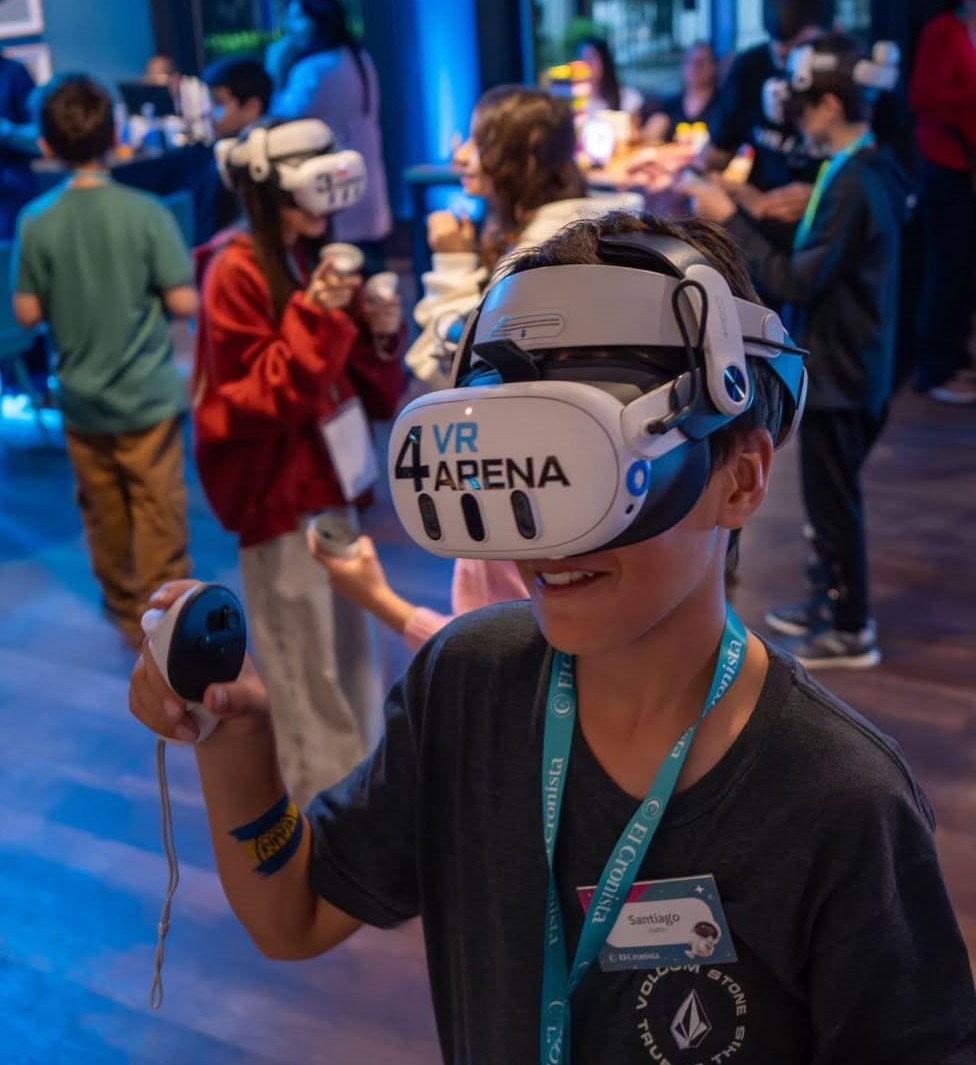
Key Elements of a Successful Launch
Turn the Opening into an Event
Make your opening feel like a real occasion. You can organize a small tournament in one of your games with prizes for the winners. If possible, invite local media outlets or city community pages to cover the event—let them write about a new entertainment format opening in town. An article or short news feature about your club becomes additional publicity and free advertising.
Bloggers and Influencers
As mentioned earlier, inviting bloggers often pays off with strong exposure. Set aside several time slots during the opening specifically for bloggers and influencers—let them play for free, film content, and share stories or posts.
Ideally, invite creators whose audiences match your key segments: a popular mom blogger for families, a local streamer or TikTok creator for young adults, or even a city journalist.
Tip: prepare small branded items—keychains, T-shirts with your VR club logo, or other merch—so they leave with a souvenir (and your brand appears in their content again). After their visit, ask them to share honest feedback. Genuine emotions work better than any paid advertisement.
Special Offers on Opening Day
Use time- or quantity-based limits to stimulate demand during the launch period. For example: “Opening day only: 20% off all games” or “Opening weekend: family package 2+1 free.” Time-limited scarcity encourages people to visit immediately instead of postponing.
It’s important to transition smoothly back to regular pricing afterward so customers don’t feel disappointed. Balance generosity with sustainability.
Collect Feedback from Day One
Start engaging with guests right on opening day. Hand out short feedback forms or display a QR code linking to an online survey: “What did you like? What was missing?”
First, customers appreciate being heard. Second, you show from day one that you care about improving the experience. You’ll also collect valuable insights and contacts—if guests leave an email or phone number in exchange for a small bonus (such as a discount on their next visit). This early group of loyal fans is extremely valuable and can later be engaged individually.
Remember: the goal of your opening is not just to generate revenue, but to create an information buzz. Even if you give away free playtime or invest heavily in promotion on day one, it’s an investment in awareness. Once regular operations begin, that strong launch will set the pace for months ahead.
Unique Content Is Your Trump Card
In the entertainment industry, one rule always applies: content is everything. For a VR club, this is especially true—the selection of games and experiences you offer directly determines audience interest. If your club offers the same games as a competitor nearby, you’ll be forced to compete on price or location.
The situation changes completely if you have unique VR games or experiences that aren’t available anywhere else in the area.

Use exclusive games as a competitive advantage. For example, our franchise—like several other market leaders—is built around developing proprietary VR games specifically for free-roam virtual reality arenas.
Step Four: Focus on Events — Birthdays and Team Play
As mentioned earlier, group events are the main revenue driver for a VR club, especially at the early stage. Instead of relying solely on walk-in players, focus on attracting organized groups coming for special occasions. Below are the formats worth actively promoting.
- Children’s and Teen Birthday Parties
For many parents, organizing a birthday party is an annual challenge, and a VR club can be an ideal solution. Offer a turnkey celebration: one hour of gameplay for a group of children, operator assistance, and a separate area for cake and gifts. In your marketing materials, emphasize the emotions of the birthday child and their friends, as well as safety and convenience—parents don’t have to plan anything themselves, you handle the entire experience.
As mentioned earlier, it’s important to consider cultural specifics. In some Latin American countries, there is a strong birthday culture, with celebrations held multiple times for different groups of friends. In these markets, VR birthday parties are extremely popular, and one successful event often leads to a chain of new customers through word of mouth.
In large CIS cities, parents tend to value uniqueness—“celebrating in a way no one else has before.” Try to deliver this through unusual game scenarios or themed decoration of the VR space.
- Adult Parties and Groups of Friends
A VR club can also offer a party format as an alternative to traditional entertainment like bowling or billiards. For example: “VR party for 10 people: team gameplay + lounge area with music.” You can partner with catering services so guests can order drinks and snacks.
Position this as a new shared experience for a group—perfect for an adult birthday, a class reunion, or a weekend get-together. The average check for a group event is significantly higher than for individual players, but the cost is split among participants, keeping the per-person price reasonable.
The key is to deliver both a wow effect and comfort: alternate intense VR rounds with breaks, and offer opportunities to record videos so guests leave with memories—and social media content.
- Corporate Team-Building Events
This segment requires a more personal approach: meetings with HR managers and presentations of the club’s corporate capabilities. However, you can start small by organizing an open tournament for teams from different companies—for example, a city-wide VR cup for IT companies.
Invite organizations to field teams of 4–5 people. This format combines promotion, demonstration, and competition in one event. Afterward, you’ll have contacts from interested companies to whom you can offer private corporate bookings.
Why Are Events So Important?
First, they provide a stable flow of bookings—children’s birthdays happen every week, while corporate events are often tied to holidays and quarterly milestones.

Second, events have a high average check—one successfully sold celebration can generate more revenue than a dozen individual play sessions.
Take City and Regional Specifics into Account
Marketing tools and customer behavior vary greatly depending on the location of the club. Strategies that work well in one city may produce weak results in another. That’s why it’s important to adapt your approach to local realities—from the size of the city to regional and cultural specifics.
Let’s look at two extremes:
| Factor | Large City (Million+ Population) | Small Town |
|---|---|---|
| Competition | High density of entertainment options. A VR club is no longer a novelty. Many potential customers have already tried VR elsewhere, making it harder to surprise them. Strong differentiation is required. | Limited entertainment options. VR is a new and exciting concept. The mere opening of a VR club generates strong interest, with little to no competition. Local media and residents’ curiosity play a big role. |
| Marketing | Digital channels dominate: social media targeting, collaborations with large influencers, search ads. Advertising is more expensive and audience attention is fragmented, so creativity is essential. In cities like Moscow, standout campaigns or partnerships with major events may be needed to be noticed. | Local communities are highly effective: city VK groups, local radio ads, street posters. Word of mouth is very powerful—once you earn positive reviews, information spreads quickly. Influencers are rare (usually 1–2 local figures), but personal recommendations are highly valued. |
| Audience Expectations | Residents are overwhelmed by choice and need a strong reason to visit. Unique offerings matter: exclusive games, advanced technology, or a well-known franchise brand. A standard VR attraction in a mall may go unnoticed, while a large arena with original content can attract active city audiences. | Residents are open to new entertainment. Accessibility and friendliness are key. Position the VR club as a place for everyone: families, school kids after classes, groups of friends. Use familiar local imagery in ads (e.g., school groups in VR, recognizable city locations). |
| Budget | Higher marketing costs—plan for a larger promotional budget. Launching as part of a known franchise can help leverage brand recognition and nationwide marketing. The club format can be scaled for high traffic (many VR stations). | Marketing budgets can remain modest, relying on organic interest. Still, basic promotion is important—local newspaper ads or participation in city festivals can deliver strong reach. You can start small (4–6 VR stations) and scale as demand grows. Flexibility is crucial: in small towns, reputation spreads fast and becomes the best marketing tool. |
Study your market carefully—from local mindset and habits to competitor activity—and adjust your marketing plan accordingly.
Service, Retention, and Word of Mouth
Attracting your first customers is only half the job. What truly matters is making sure they leave satisfied, come back themselves, and bring new people with them. Customer focus and service quality from day one directly affect how fast your club grows. Here’s what to pay close attention to.
Trained and Friendly Staff
For many visitors, their first VR experience is both exciting and slightly stressful—it’s unfamiliar, after all. That’s why your venue should always have instructors ready to help, reassure, and encourage players. A welcoming administrator, a friendly tone, and a genuine willingness to solve problems—whether it’s a fogged-up lens or repeating instructions for a late-arriving friend—all shape a positive impression.
Guests often mention staff in reviews, so make sure those mentions are positive. Partners of large VR networks note that a high level of service becomes a real competitive advantage, especially in regions where people aren’t used to strong customer service. In other words, excel at hospitality—it costs nothing, but it’s highly valued.
Encourage Word of Mouth
The best advertising is recommendations from friends. Think about how to motivate your first customers to talk about you. A few ideas:
offer a bonus for posting a review on social media (for example, extra playtime on the next visit in exchange for a tagged Story);
launch a referral program (“bring a friend and get a discount”);
organize a photo contest like “My Best Moment at the VR Club” with prizes.
These activities encourage people to share their experiences. Keep in mind: word of mouth is especially powerful among parents—after one successful birthday party, a mom will tell other parents at the playground, in group chats, and among friends. Among young people, social media plays the same role—one viral video from your club can attract dozens of new guests.
Retention and Club Programs
From the very first month, think about how to turn casual visitors into regulars. Options include loyalty discounts or multi-session passes (for example, buying 10 hours of gameplay in advance at a reduced price encourages customers to “use them up” and often purchase more later).
You can also introduce a simple club card that gives regular guests a 5–10% discount. It may seem small, but it’s pleasant and motivates people to choose your club again. Another effective approach is subscription-based access to new content—for example, a monthly fee that allows players to be the first to try new games and participate in exclusive events. This helps build a core group of loyal fans.
Working with Feedback and Negative Reviews
Be prepared that not everything will go perfectly. Some guests may be dissatisfied—for example, due to queues, game difficulty, or pricing. The key is to respond. Monitor reviews on Google and other platforms, and reply to them.
When facing criticism, invite the person back and give yourself a chance to improve—perhaps with a discount or bonus. This proactive approach often turns negative feedback into a positive outcome: people see that you care, and frustration often turns into loyalty. This is especially important in small towns, where one unhappy customer can discourage many others. But it matters in big cities too—online reviews last forever, and strong ratings from the start make it much easier to attract new guests.
Conclusion
Attracting the first customers to a VR club is a multifaceted task involving marketing, understanding audience psychology, creativity, and operational quality.
We’ve covered why it’s important to start promotion before opening, how to create a memorable launch, and why original content and events have such a strong impact on visitor flow. However, there is no single magic tactic that will instantly fill your venue. Success is built from dozens of well-executed steps.
Approach the business objectively and strategically. Plan your campaigns, track effectiveness (know where your first customers came from—social media, referrals, promotions), and be ready to adjust tactics if something doesn’t work.
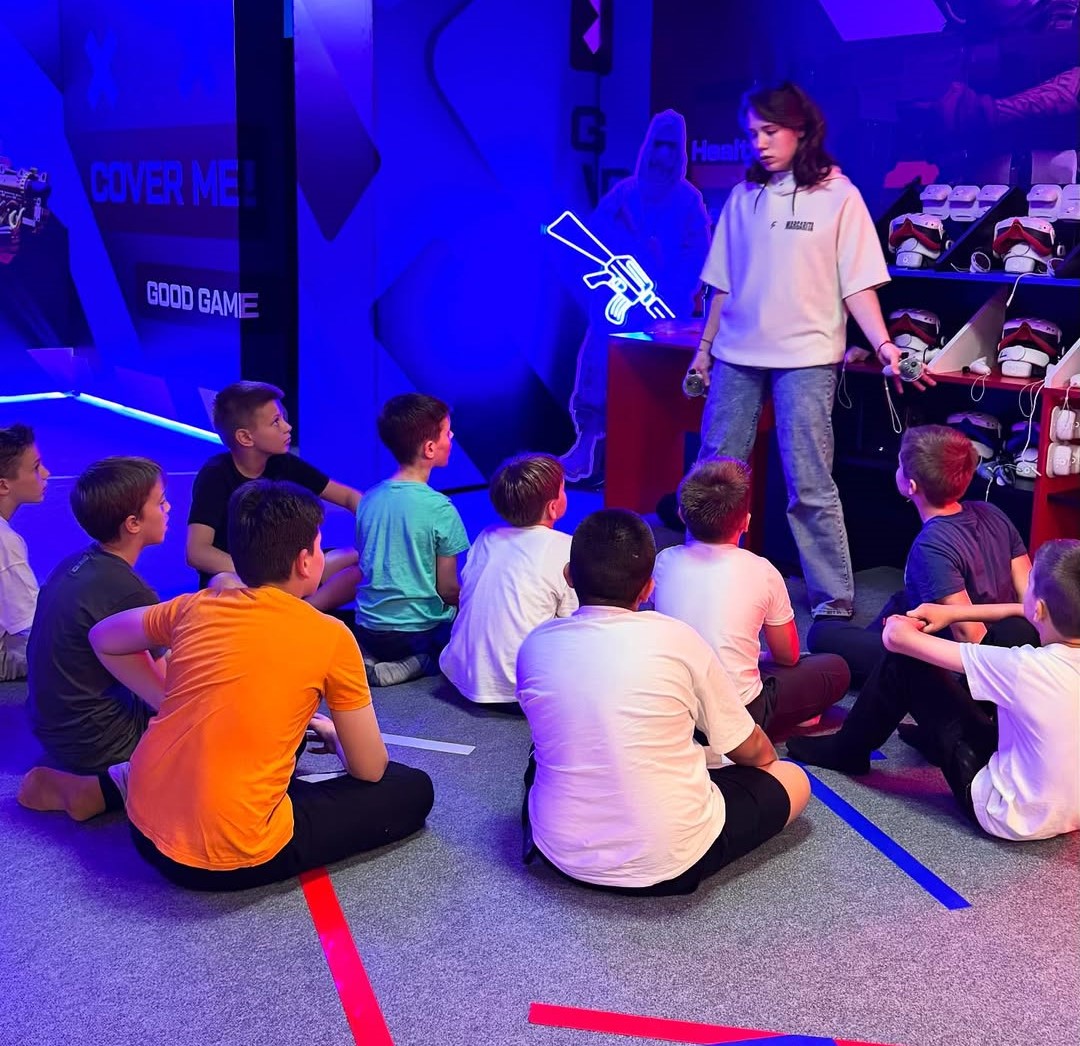
Learn from real cases—both your own and those of others in the industry. For example, if coupon platforms bring many one-time visitors with low loyalty, it may be better to reallocate that budget. On the other hand, if a specific segment—say, teenagers—unexpectedly shows strong interest, it makes sense to launch a targeted offer (for example, a discounted “school night” event).
And, of course, value every person who walks through your VR club’s doors in the early days. These pioneers trusted you—meet their expectations. Their excitement, reviews, and repeat visits will form the foundation of a strong community around your VR club. With a loyal fan base, growth becomes much easier: new customers arrive through recommendations, and the business grows organically.
Remember, the VR business is a marathon that requires patience and consistent effort, not a sprint. But with the right tools and support—whether from your own team or an experienced franchise—you’ll gradually fill your club with happy players.
Your first customers are only the beginning—many exciting virtual adventures lie ahead for both them and you.

