

Behind the Scenes of Virtual Reality: How VR ARENA Builds an Effective VR Club
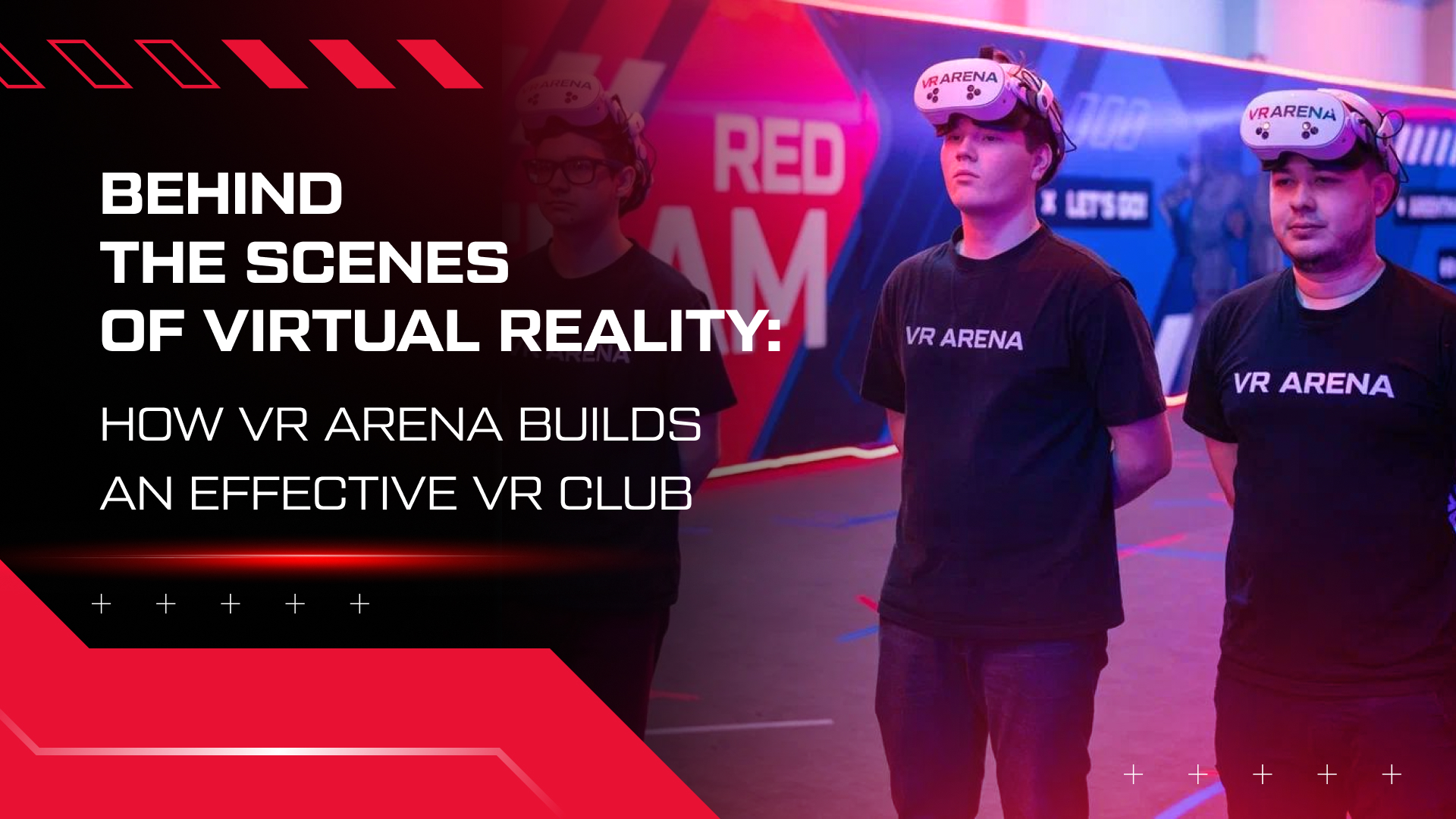
Virtual reality is not just an attraction; it is a complex, technological, and rapidly developing business. The success of a VR club depends not only on the quality of the equipment and games but also on impeccable internal organization. At VR ARENA, we have accumulated extensive experience in team management, process standardization, and creating a truly comfortable customer experience.
We are ready to share the key principles that allow our network to operate stably and efficiently.
1. Organizing the VR Club’s Operations: The Team is the Foundation of Success
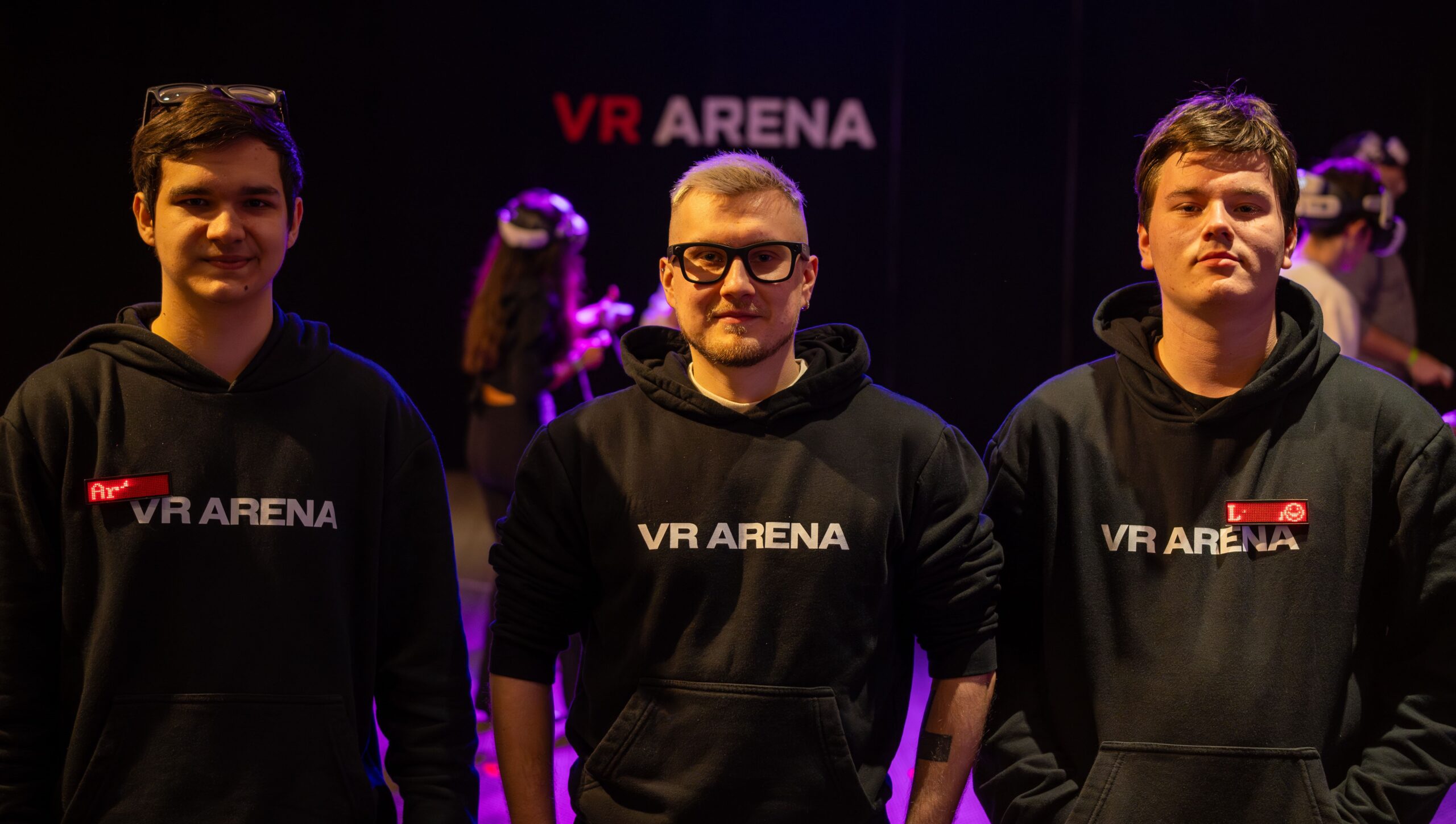
The stable operation of a VR club requires a clear distribution of roles and an understanding of who is responsible for what. In our model, we identify several key positions, each of which is critically important for smooth operation.
Key Roles and Optimal Shift Composition
For a full-fledged shift capable of ensuring a high level of service and safety, we have determined the optimal composition:
| Role | Key Responsibilities |
|---|---|
| Administrator | Greeting and checking out guests, managing bookings, cash control, resolving organizational issues. |
| Operator (Instructor) | Conducting briefings, assisting guests with game selection, technical support during the session, safety control. |
| Marketer/Development Manager | (Often works remotely or is not part of every shift) Customer acquisition, social media management, launching promotions, market analysis. |
Optimal Shift Composition: For a medium-sized club serving up to 4-6 gaming zones, 2 people per shift is optimal: one Administrator and one Operator. During high load or in the presence of large zones for team games (e.g., VR arenas), an additional Operator is required.
Distribution of Responsibilities
A clear division of labor helps avoid chaos and increases service speed.
- The Administrator is the “face” of the club and the control center. They are responsible for the first impression, financial discipline, and managing the flow of customers.
- The Operator is the “hands” and “brain” of the technical side. Their main task is to ensure the safety, comfort, and maximum immersion of the guest in the VR world.
Management Practice At VR ARENA, we practice interchangeability: every employee is trained in the basic functions of their colleague. This allows us to quickly respond to peak loads or unforeseen situations without compromising service quality. However, the primary area of responsibility remains fixed.
2. Regulations and Standards: From Chaos to System
Regulations and standards are the “skeleton” of our business. They transform a set of random actions into a predictable and scalable process.
Forming Instructions
Our instructions are formed on the principle of “from simple to complex” and are based on real-world experience.
- Data Collection: Recording all recurring actions and problematic situations.
- Developing the “Gold Standard”: Describing the ideal action algorithm (e.g., “How to brief a first-time user”).
- Testing and Optimization: Checking the standard in practice and making adjustments.
- Training and Certification: Implementing the standard and regularly testing employee knowledge.
Rules for Service Stability
Rules that directly affect safety and technical readiness are especially important:
- Equipment Preparation Regulation: Daily check of the cleanliness of headsets, controllers, lenses, and battery charge.
- Briefing Standard: A unified, clear, and mandatory algorithm that ensures every guest knows the safety rules.
- Technical Failure Protocol: Step-by-step instructions for quickly resolving the most common issues (rebooting, calibration, checking cables).
VR ARENA Tip The most difficult thing to standardize is the human factor and communication. It is impossible to write a regulation for every guest’s emotion. Therefore, we standardize not only actions but also communication principles: empathy, proactivity, and the ability to “smooth things over” in a conflict situation.
3. Automation: Managing the Business with a Single Click
In a modern VR club, manual labor should be minimized. Automation is our main tool for scaling and control.
Automated Processes
We have automated key operational processes:
- Booking: An online system allows guests to independently choose the time and zone, which reduces the load on the administrator.
- Customer and Sales Accounting (CRM): Collecting data on visits, game preferences, purchase history, and automatic bonus accrual.
- Inventory and Stock Control: Monitoring consumables (wipes, masks) and tracking the condition of expensive equipment.
- Financial Accounting: Automatic recording of all transactions, salary calculation, and report generation.
How Automation Helps Management
Automated systems give us complete transparency and the ability to manage customer flows:
- Sales Management: We see which hours and days are least busy and can promptly launch promotions or change pricing policies.
- Forecasting: Data analysis allows us to accurately predict demand and plan staff schedules.
- Increasing Loyalty: Automatic mailings with personalized offers and greetings.
Important: We use advanced tools for booking, accounting, and sales that are integrated into a single ecosystem. Detailed instructions for setting up and using these tools are described in our extensive VR ARENA knowledge base, available to network partners.
What Still Requires Manual Control
Despite the high level of automation, some processes remain the responsibility of a person:
- Equipment Technical Maintenance: Cleaning lenses, disinfecting headsets, minor repairs, and replacing consumables.
- Emotional Contact with the Guest: No system can replace live communication, a smile, and a sincere desire to help.
- Handling Non-Standard Situations: Conflicts, technical failures, individual requests.
4. Customer Experience: Creating an Unforgettable First Visit
Our goal is not just to sell time in VR but to give an emotion and ensure maximum comfort.
Target Age Categories
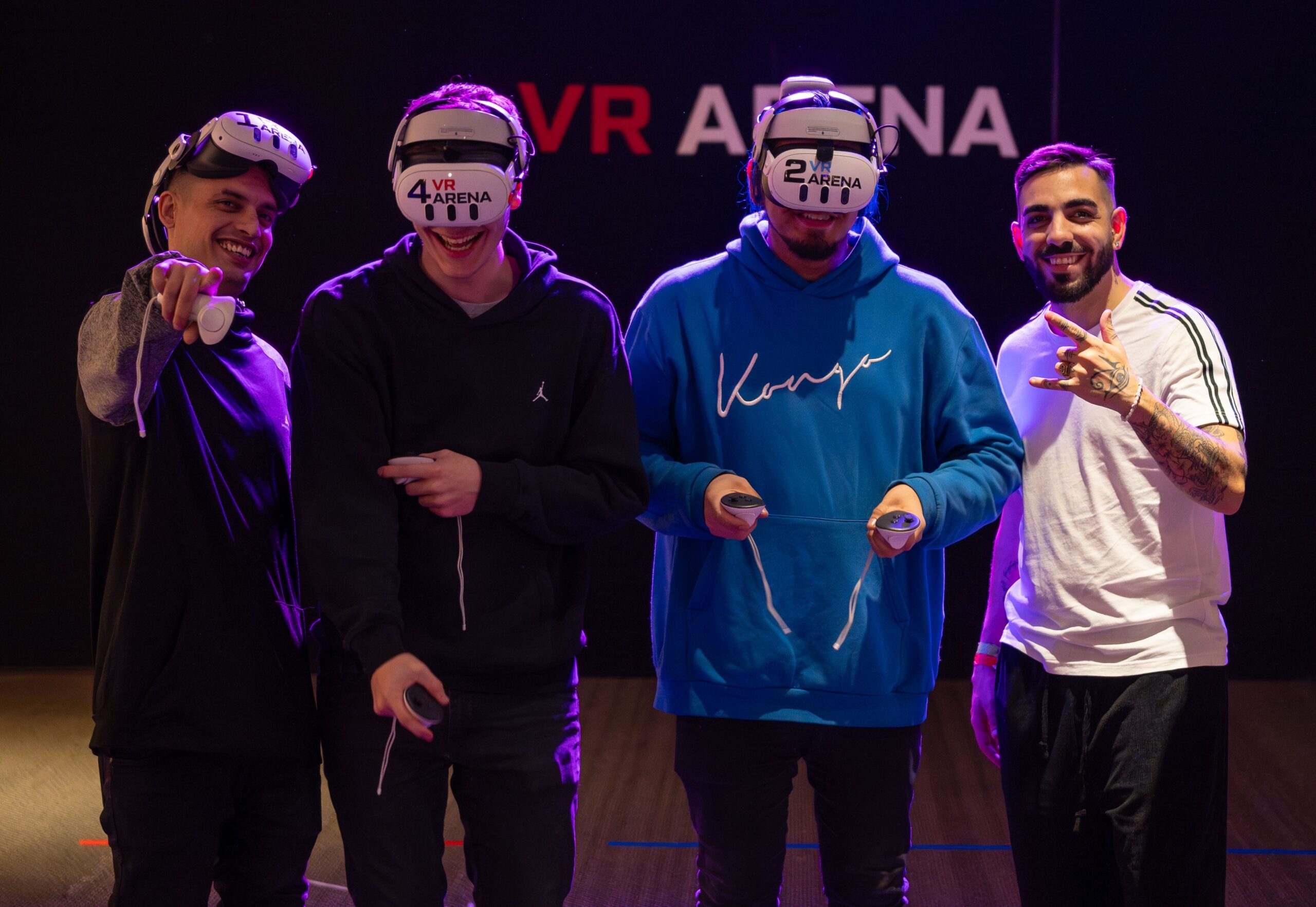
VR ARENA targets a wide range of guests, and we have a specific approach for each category:
- Children (6+): Require special attention to safety, simpler and more visual instruction, and games with minimal risk of motion sickness.
- Teenagers (12+): Active users who value game selection, social interaction, and a competitive element.
- Adults: Appreciate comfort, graphics quality, and the opportunity to have a new, deep experience.
- Corporate Events and Parties: Require the organization of team games, catering, and dedicated staff for support.
Safety and Briefing
Safety is our priority. We highlight two key aspects:
- Safety Measures: Clear designation of the playing area, use of safety straps for controllers, mandatory presence of an operator.
- Typical Beginner Mistakes: Attempts to lean on virtual objects, sudden movements, removing the headset during the game.
The Briefing is conducted according to a single standard:
- Greeting and Setup: Creating a friendly atmosphere, relieving tension.
- Theory (briefly): Explaining safety and control rules.
- Practice (mandatory): A trial run in a simple, safe environment so the guest can get comfortable with the controllers before starting the main game.
Comfort Factors
The first visit should be perfect. What we pay attention to:
- Greeting: The Administrator must be ready for the guest’s arrival, know their name, and booking details.
- Atmosphere: Cleanliness, order, stylish design, and, of course, quality music — it creates a mood but should not interfere with the briefing.
- Booking: A maximally simple and clear process.
- Equipment: Clean, disinfected headsets and fresh disposable masks.
Feedback
We don’t wait for the guest to write a review themselves. We collect and analyze feedback proactively:
- Express Survey: The Operator asks 1-2 key questions about the experience after the session.
- Automatic Mailings: Links to questionnaires and a request to rate the visit are sent via email or messenger.
- Analysis: All feedback (positive and negative) is recorded in the CRM system and used to adjust staff work and regulations.
Learn more about standards, internal processes, and automation tools in our VR ARENA knowledge base, available to current partners.

